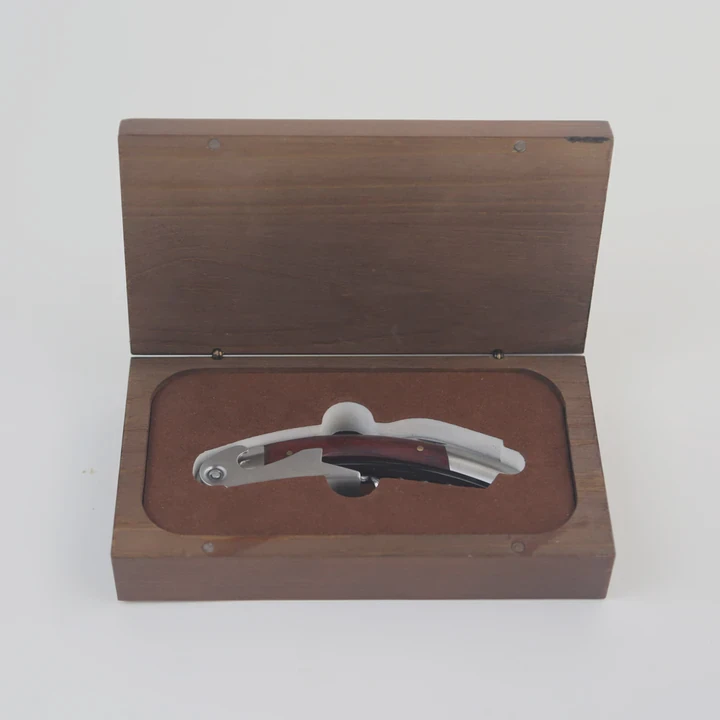
Where to Purchase Wooden Crates?
- Wooden box
- 25 Aug ,2026
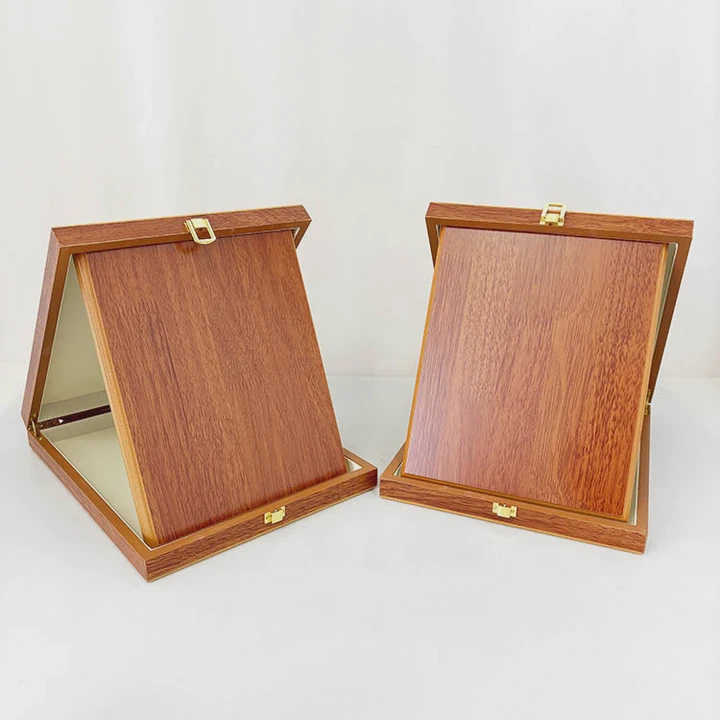
Finding the right place to purchase wooden crates can be difficult. Buyers may face high prices, unclear specifications, poor quality, or suppliers that cannot handle bulk orders.
Businesses can purchase wooden crates from direct manufacturers, packaging factories, wholesalers, industrial packaging suppliers, and B2B sourcing platforms. For bulk and custom orders, direct manufacturers are often a practical choice because they can control dimensions, materials, structures, branding, production quality, and large-volume pricing.
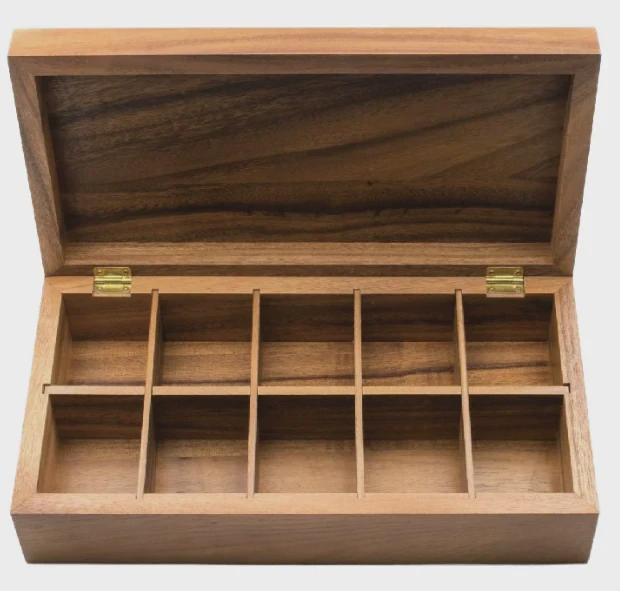
The best purchasing channel depends on how the wooden crate will be used. A shipping crate has different needs from a branded display crate. A clear purchasing plan should cover size, quantity, material, structure, finish, destination, and delivery date before buyers contact suppliers.
Which Suppliers Offer Wooden Crates for Bulk Orders?
Bulk wooden crate purchasing becomes expensive when a supplier mainly serves retail customers. Buyers may pay higher prices while getting fewer choices for materials, sizes, structures, and branding.
Direct manufacturers, wooden packaging factories, industrial packaging suppliers, wholesalers, and export suppliers commonly offer wooden crates for bulk orders. Direct factories are usually more suitable for custom or repeat purchasing because buyers can discuss materials, dimensions, production methods, quality standards, packaging, and pricing directly with the manufacturer.
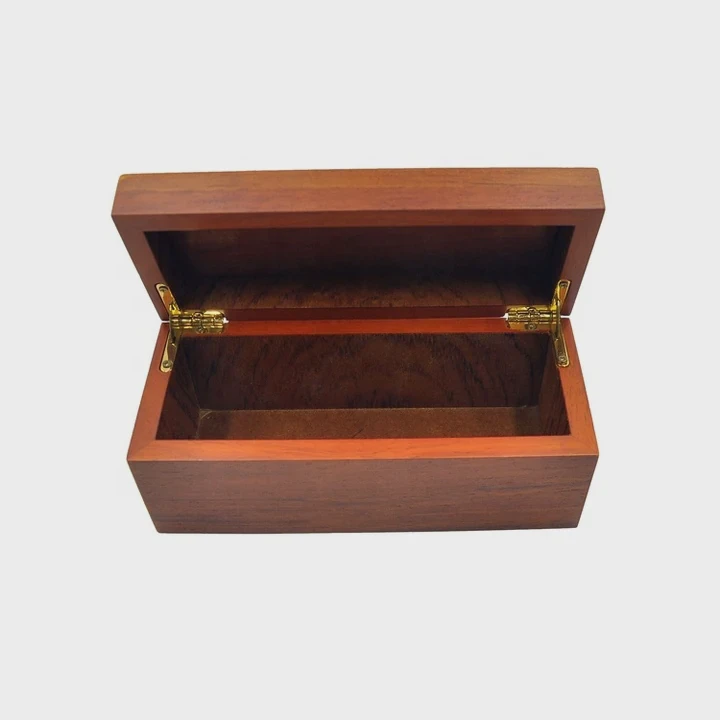
The supplier type should match the purpose of the crate. I would first decide whether the project needs a standard product or a custom product. This simple decision can remove many unsuitable suppliers from the sourcing process.
Direct Wooden Crate Manufacturers
A direct manufacturer is often a good starting point for orders involving hundreds or thousands of wooden crates. A factory can usually control cutting, sanding, assembly, painting, hardware installation, inspection, and packing.
This control becomes important when every crate must have similar dimensions and appearance.
A wooden crate may look simple, but small differences can cause problems. A few millimeters of variation can affect product fit. Rough sanding can make the crate look cheap. Weak joints can cause damage during transportation. Different wood colors can also create an inconsistent appearance when crates are displayed together.
For custom projects, I would ask suppliers which production steps they complete inside their own facilities. Some suppliers outsource painting, printing, metal parts, or other processes. Outsourcing does not automatically mean poor quality. Still, buyers need to understand who controls each production step.
Wooden Packaging Wholesalers
Wholesalers are useful when a company needs standard wooden crates quickly.
These suppliers may already have common sizes in stock. Buyers can often purchase existing products without waiting for custom development. This approach can work for storage, simple product displays, general gift packaging, and projects where exact dimensions are not important.
The main limitation is customization.
A wholesaler may offer several dimensions and colors but may not change the structure, wood thickness, hardware, or internal layout. Logo options may also be limited.
Industrial Packaging Suppliers
Industrial packaging suppliers are another option when protection is more important than appearance.
These suppliers often focus on shipping, storage, machinery, tools, equipment, and other products that need strong packaging. Their crates may not have luxury finishes, but their knowledge of structural protection can be useful.
B2B Export Suppliers
International buyers can also work with export-oriented suppliers. These companies normally understand commercial invoices, cartons, pallets, shipping marks, freight documents, and international logistics.
| Supplier Type | Best For | Customization | Main Advantage |
|---|---|---|---|
| Direct manufacturer | Large and repeat orders | High | Better production and specification control |
| Packaging wholesaler | Standard wooden crates | Low to medium | Faster purchasing |
| Industrial packaging supplier | Shipping and protection | Medium | Strong structural focus |
| B2B export supplier | International purchasing | Medium to high | Export experience |
| Local distributor | Small or urgent orders | Low | Short delivery distance |
The cheapest supplier is not always the cheapest purchasing option. Buyers should compare products based on the same dimensions, material, finish, hardware, packing method, and quantity.
A supplier quoting plywood cannot be compared directly with another supplier quoting solid wood. The same problem appears when one quotation includes individual cartons and another only includes basic bulk packing.
A clear specification makes bulk purchasing much easier.
How Can Businesses Source Custom Wooden Crates Efficiently?
Custom sourcing often becomes slow because suppliers receive incomplete information. Buyers then answer repeated questions, quotations change several times, and samples may fail to match the actual product.
Businesses can source custom wooden crates efficiently by preparing dimensions, quantities, materials, reference images, drawings, branding requirements, destination, target price, and delivery schedule before requesting quotations. A clear RFQ helps suppliers calculate costs accurately and reduces repeated communication during design, sampling, and mass production.
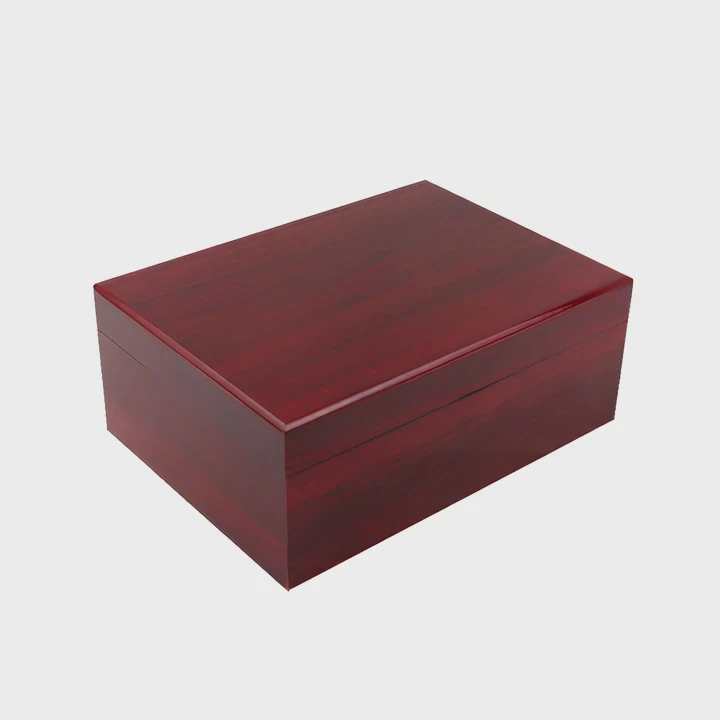
A custom wooden crate project should normally begin with the product that goes inside the crate. The product determines the required internal dimensions, strength, structure, insert, and opening method.
I would avoid starting with appearance alone. A beautiful crate that does not protect or fit the product is still a failed package.
Prepare a Clear RFQ
A useful RFQ does not need to be complicated. It simply needs enough information for suppliers to understand the same project.
Buyers should provide product dimensions, product weight, required internal dimensions, expected order quantity, preferred material, reference photos, structure, surface finish, logo requirements, inserts, hardware, individual packing, shipping destination, and expected delivery date.
If exact materials are unknown, the buyer can describe the desired result.
For example, a buyer may request a natural light wood appearance. Another project may require a dark premium surface with a metal logo. A shipping project may simply require a strong structure at a controlled cost.
A capable manufacturer should be able to suggest suitable material options based on these goals.
Send the Same Specification to Each Supplier
One common sourcing mistake is sending different information to different suppliers.
Supplier A may quote solid wood. Supplier B may quote plywood. Supplier C may quote MDF with veneer. Their prices can look very different, but the quotations are not describing the same product.
Surface treatment creates the same problem.
Natural wood, stain, clear lacquer, matte paint, and high-gloss paint can have different costs. Hardware and inserts also change the final price.
I prefer to create one specification sheet before requesting final quotations. Every shortlisted supplier can then quote against the same requirements.
Use Samples to Test the Supplier
A sample is not only a visual reference. It is also a small production test.
Buyers should check whether the product fits correctly. They should test the lid, handles, hinges, locks, dividers, and inserts. They should also check corners, sanding, surface color, logo position, and overall construction.
Packaging should also be tested.
A perfect crate can still arrive damaged if the individual packing is too weak. Painted and polished surfaces may require more protection than simple unfinished crates.
The sample process also shows how well a supplier communicates.
If drawings are misunderstood during sampling, the same problem can happen during production. If revisions are not recorded clearly, buyers may face disputes later.
For this reason, I prefer to approve a final drawing or specification document before mass production. That document can record dimensions, materials, colors, logo position, hardware, inserts, packaging, and other details.
A clear approval process reduces repeated communication. It also gives both sides a reference when production begins.
What Factors Matter When Choosing Wooden Crate Suppliers?
A cheap wooden crate can become expensive when dimensions vary, surfaces are poor, or shipments arrive late. Supplier selection should cover much more than the quoted unit price.
Important factors include manufacturing capability, material quality, customization, MOQ, sample quality, production capacity, lead time, quality control, export packing, communication, certifications, and total landed cost. Buyers should compare these factors together instead of selecting a wooden crate supplier only because it offers the lowest quotation.
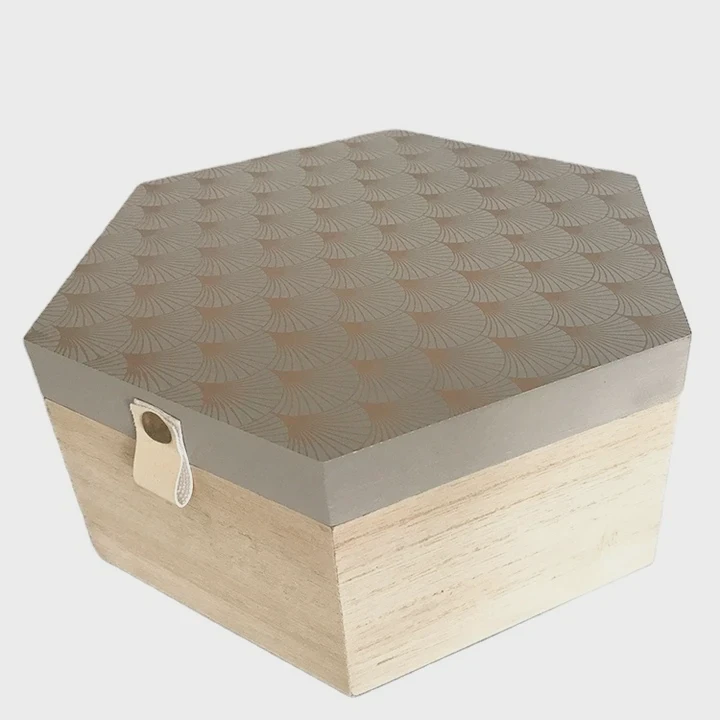
Price is important in B2B purchasing. Still, the price only becomes useful after the product specification is clear.
A quotation of \(5 and another quotation of \)8 tell buyers very little if the two suppliers are using different materials, thicknesses, finishes, hardware, and packaging.
Material and Construction
The supplier should understand how materials affect cost, appearance, strength, weight, and production.
Solid wood can provide a natural appearance. Plywood can provide useful structural strength. MDF provides a smooth surface and can work well with paint, veneer, decorative paper, leather, or fabric.
The right choice depends on the crate.
Construction should also be checked carefully. Buyers should look at joints, corners, bases, walls, lids, handles, hinges, locks, and other stress points.
A heavy product may require a stronger base. A display crate may require cleaner corners. A retail package may need better color consistency.
The supplier should understand these differences.
MOQ and Production Capacity
MOQ affects both inventory and cash flow.
A factory may provide an attractive price at 10,000 pieces but may not be suitable for a buyer that only needs 300 pieces. Buyers should ask for pricing at realistic order quantities.
Production capacity is also important.
A factory that can make one excellent sample may not be able to make 20,000 consistent units within a short production window.
I would ask about normal monthly capacity, current workload, key production steps, and expected lead time. These questions become more important before holidays, promotions, exhibitions, or fixed product launches.
Quality Control
Quality control should happen at several stages instead of only after production is complete.
Raw materials can be checked before cutting. Dimensions and structures can be checked during production. Finished crates can then be inspected for appearance, color, logo position, hardware operation, insert fit, and packaging.
| Evaluation Factor | Questions to Ask | Why It Matters |
|---|---|---|
| Material | What wood or board is included? | Affects strength, appearance, and price |
| MOQ | What is the minimum order quantity? | Affects inventory and purchasing cost |
| Sample | Can a production-quality sample be made? | Tests manufacturing ability |
| Capacity | How many pieces can be produced monthly? | Reduces delivery risk |
| Lead time | How long do sampling and production take? | Supports purchasing schedules |
| Quality control | Which inspections happen during production? | Improves consistency |
| Customization | Can size, finish, logo, and structure change? | Supports custom projects |
| Packaging | How is each crate protected? | Reduces transportation damage |
| Export experience | Which markets does the supplier normally serve? | Helps international purchasing |
| Communication | Are drawings and changes confirmed clearly? | Reduces mistakes |
Communication Matters More Than It Seems
Communication is not just a customer service issue. It directly affects manufacturing.
Custom wooden crate projects involve dimensions, drawings, materials, colors, logos, inserts, hardware, packaging, and delivery schedules.
A misunderstanding about one detail can affect an entire production run.
Buyers should notice how suppliers answer technical questions. Clear answers are useful. Updated drawings are useful. Written confirmations are useful.
Vague promises create risk.
Certifications and Material Requirements
Some businesses also have environmental, forestry, quality, or social responsibility requirements.
These requirements should be discussed early.
For example, a buyer may need wood from a specific sourcing system. Another customer may require certain factory management documents. A large brand may also have its own supplier audit process.
Buyers should confirm which documents are required for their project instead of assuming that every certification is necessary.
Supplier selection works better when purchasing teams use a simple scorecard. Price can receive one score. Quality, capacity, communication, lead time, customization, and compliance can receive separate scores.
This method gives buyers a more complete view of the supplier.
Are Wholesale Wooden Crates Available for International Shipping?
International buyers may worry that wooden crates are difficult to source overseas. Freight costs, wood-related import rules, moisture, and transportation damage can make international purchasing look complicated.
Yes. Wholesale wooden crates are widely available for international shipping through export-ready manufacturers and packaging suppliers. Buyers should confirm packaging methods, shipping volume, wood-related import requirements, documentation, destination rules, freight terms, and damage protection before placing a bulk international order.
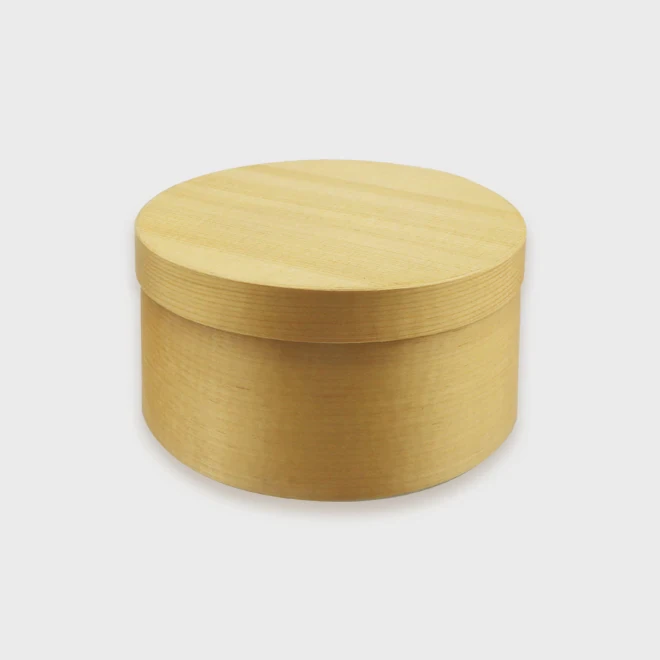
International purchasing can work well for wholesale wooden crates, especially when buyers need large quantities or custom production. Still, logistics should be considered during product development rather than after production.
Wooden products are usually heavier and larger than folding paper packaging. Freight can therefore become a meaningful part of the total cost.
Calculate Shipping Volume Before Production
Buyers should ask suppliers for estimated carton dimensions, quantity per carton, gross weight, and total shipment volume.
These numbers allow a freight forwarder to estimate transportation costs.
They can also reveal design problems.
For example, reducing the outside dimensions of one crate by a small amount may not look important. Across several thousand crates, however, the change may reduce the number of shipping cartons or the total cubic volume.
Packing design can have the same effect.
This is why I prefer to consider product design and logistics together.
Choose the Right Shipping Method
Sea freight often makes sense for large wholesale orders because wooden crates can occupy considerable space.
Air freight may work for smaller quantities or urgent projects. Express shipping may be practical for samples and very small shipments.
The correct method depends on order volume, weight, destination, deadline, and budget.
Buyers should calculate landed cost instead of looking only at factory price.
Landed cost may include the product, individual packing, export cartons, local transportation, freight, insurance, customs charges, duties, and final delivery.
Check Wood-Related Import Requirements
Wood products and wood packaging can face different import requirements depending on their material, purpose, treatment, and destination.
Buyers should never assume that every wooden product follows exactly the same rule.
A finished decorative wooden crate may be treated differently from a raw solid wood shipping crate or wooden pallet. Engineered wood products may also fall under different requirements.
The safest approach is to confirm the current requirements for the specific product and destination before production begins.
The supplier can provide product information. The freight forwarder can advise on transportation requirements. The buyer should also verify requirements with the relevant destination authority when necessary.
Protect the Crates During Transportation
Shipping protection becomes even more important when wooden crates are part of the final customer experience.
An industrial crate may tolerate minor surface marks. A branded display crate cannot.
Factories can use bags, paper wrapping, foam, bubble protection, corner protectors, individual boxes, master cartons, or pallets depending on the design.
High-gloss and painted surfaces often need extra protection because scratches are easy to see.
Hardware also needs attention. Metal handles, clasps, hinges, and decorative parts can rub against neighboring products if they are not packed correctly.
Confirm Shipping Terms Clearly
The supplier’s quotation should state what the price includes.
A factory price may only cover production. Another quotation may include transportation to a port. Some suppliers may also offer international freight or door-to-door delivery.
Buyers should not compare these quotations until they understand the shipping terms.
Before placing an international order, I would confirm the quantity per carton, carton dimensions, gross weight, total cartons, total volume, pallet requirements, shipping marks, destination, and agreed shipping terms.
These details make freight planning easier and reduce unexpected costs.
International sourcing works best when the crate manufacturer and logistics provider receive clear information early. Waiting until thousands of crates are finished before calculating freight can create expensive problems that are difficult to fix.
Conclusion
Businesses can purchase wooden crates from manufacturers, wholesalers, industrial packaging suppliers, and export suppliers. For bulk custom orders, buyers should compare specifications, samples, production capacity, quality control, communication, and landed cost. A suitable supplier should deliver consistent products, reliable production, and practical support throughout the purchasing process.
- Pre Sorry!
- Next: Where Can I Buy Wooden Boxes?