Where to Buy Shipping Crates?
- Wooden box
- 25 Aug ,2026
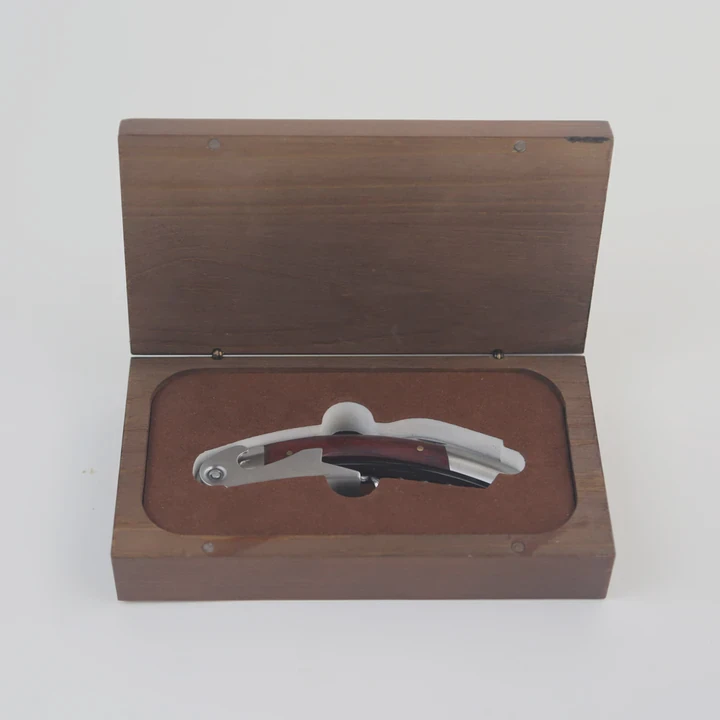
Buying shipping crates becomes difficult when products are heavy, fragile, expensive, or unusually shaped. A poor crate can cause product damage, shipping delays, and unexpected replacement costs.
Businesses can buy shipping crates from direct crate manufacturers, industrial packaging companies, wooden packaging factories, wholesalers, and export packaging suppliers. For bulk or custom requirements, manufacturers are often the better source because they can adjust dimensions, materials, internal supports, load capacity, protective packaging, and export requirements.
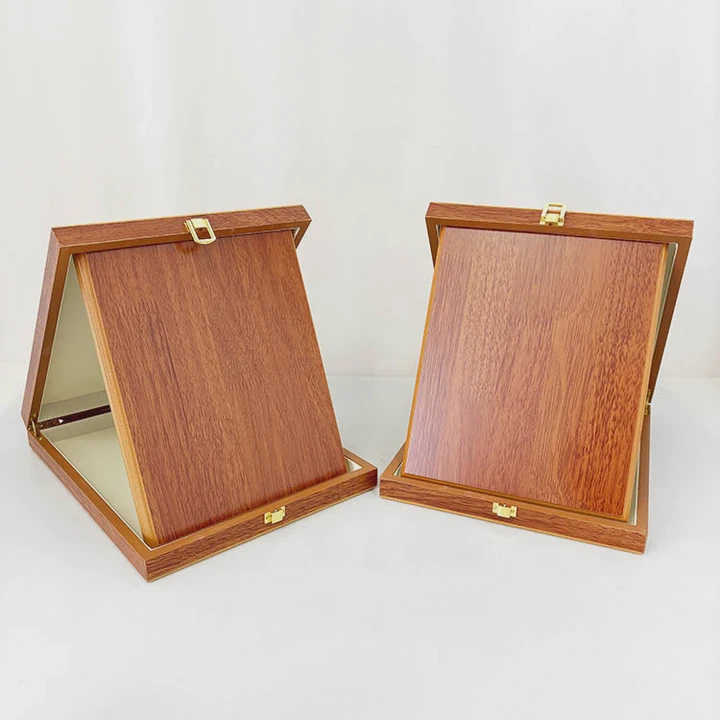
The right source depends on what needs to be shipped. Machinery needs different protection from electronics, glass products, instruments, or commercial goods. Before contacting suppliers, buyers should define product dimensions, weight, quantity, transportation method, destination, handling conditions, and required protection level.
Which Suppliers Provide Shipping Crates for Industrial Use?
Industrial shipping creates risks that ordinary packaging may not handle. Heavy loads, forklift handling, stacking, vibration, and long transportation routes can quickly expose a weak crate design.
Industrial shipping crates are commonly supplied by wooden crate manufacturers, industrial packaging companies, export packaging factories, custom crating specialists, and logistics packaging suppliers. Buyers should choose suppliers that can design crates around product weight, dimensions, handling methods, transportation risks, and required protection instead of relying only on standard crate sizes.
Industrial crate sourcing should start with the product rather than with a standard crate catalog. I normally want to understand exactly what the crate must carry before considering the structure.
A crate designed for a 20 kg commercial product will not work the same way as one carrying a 500 kg machine component. The weight changes the base, wall structure, fasteners, supports, and handling requirements.
Direct Shipping Crate Manufacturers
Direct manufacturers are a practical choice when businesses need custom dimensions or repeat quantities.
A manufacturer can normally cut panels and structural parts according to drawings. It can also adjust the crate base, walls, lid, internal braces, supports, handles, and other components.
This matters for industrial products because unused internal space can create movement during transportation. Too little space can also create pressure against sensitive product areas.
A good crate design should control movement without making loading and unloading unnecessarily difficult.
Factories can also be more suitable for repeat orders. Once the crate design has been approved, the supplier can keep drawings and specifications for future production.
Industrial Packaging Companies
Industrial packaging companies often provide more than the outer crate.
They may help with foam protection, moisture barriers, internal supports, blocking, bracing, straps, protective films, and other packaging components.
This approach can be useful when the product is fragile or valuable.
For example, a heavy machine may need a strong wooden base. An electronic device may need more attention to vibration and moisture. A precision instrument may need custom foam that prevents movement without placing pressure on sensitive components.
The outer crate is only one part of the complete protection system.
Local Crating Specialists
Local crating companies can be useful for urgent jobs or products that cannot easily be moved to another facility.
Some companies can measure the product at the customer’s location and build the crate around it. This can work well for machinery, artwork, equipment, or one-time shipments.
The cost per crate may be higher than bulk factory production, but local service can reduce other handling problems.
Wholesale and Export Suppliers
Wholesale suppliers may carry standard shipping crates in common dimensions. These products can work when the goods do not need special internal supports.
Export-oriented manufacturers are more useful when businesses are sourcing larger quantities for international shipments.
| Supplier Type | Best Application | Customization | Main Benefit |
|---|---|---|---|
| Direct crate manufacturer | Bulk and repeat orders | High | Better production control |
| Industrial packaging company | Heavy or sensitive goods | High | Complete protective packaging |
| Local crating specialist | Urgent or one-time projects | High | On-site support may be available |
| Wholesale supplier | Standard crate sizes | Low to medium | Faster ordering |
| Export packaging supplier | International shipments | Medium to high | Export packaging experience |
Look at Production Ability, Not Just Product Photos
Industrial buyers should ask how the supplier controls production.
Product photographs can show general appearance, but they cannot prove load performance or production consistency.
I would ask about material specifications, panel thickness, fasteners, base construction, internal supports, production capacity, quality checks, and previous experience with similar products.
Buyers should also provide accurate product weight. Guessing the weight can lead to poor structural decisions.
Handling information matters too. A crate that will be moved by forklift needs a suitable base. A crate that will be stacked needs different structural planning. A product shipped by sea may face conditions that are different from a short domestic truck journey.
The best supplier is therefore not simply the company selling the cheapest wooden crate. It is the supplier that understands how the complete shipping environment affects the crate.
How Can Companies Order Custom Shipping Crates in Bulk?
Custom crate orders can become slow when purchasing teams provide only basic dimensions. Suppliers then need repeated clarification, and quotations may change when weight, supports, packing, or shipping conditions are finally confirmed.
Companies can order custom shipping crates in bulk by preparing a detailed RFQ with product dimensions, weight, quantity, crate dimensions, material preferences, load requirements, internal protection, handling method, destination, and shipping conditions. Buyers should then compare quotations, approve drawings or samples, and define quality standards before mass production.
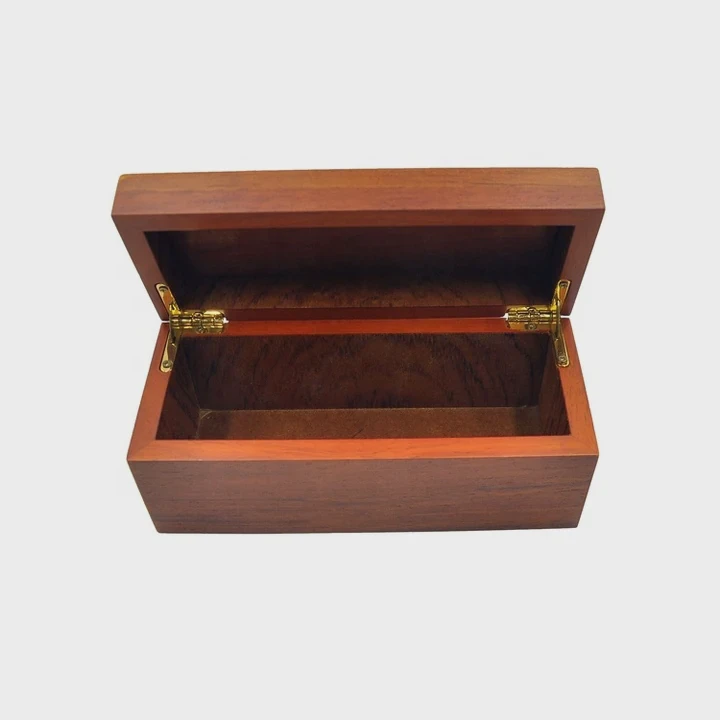
Bulk custom production becomes much easier when suppliers receive complete information at the beginning.
I would not start an industrial crate inquiry with only length, width, and height. Dimensions are important, but they do not explain how the crate will perform.
Prepare the Product Information First
The supplier should know the product’s length, width, height, and gross weight.
Buyers should also explain where the strongest and weakest areas of the product are. A machine may have a heavy base but delicate components on top. An instrument may have sensitive controls that should never touch the crate.
Photographs can help suppliers understand these details.
Drawings are even better when they are available.
The supplier should also know how the product enters the crate. Some products can be lowered from the top. Others need a removable side panel. Heavy equipment may need to be fixed to the base before the walls are installed.
These details affect the structure.
Create a Clear RFQ
A useful RFQ can include:
- Product dimensions
- Product weight
- Quantity per order
- Expected annual quantity
- Required internal crate dimensions
- Preferred material
- Required load capacity
- Base structure
- Internal blocking or bracing
- Foam or protective materials
- Moisture protection
- Handles or lifting points
- Forklift access
- Individual packing requirements
- Shipping method
- Destination country
- Required delivery date
When every supplier receives the same information, quotations become easier to compare.
Request Drawings Before Production
Custom industrial crates should normally have a drawing or clear specification before mass production.
The drawing can show outside dimensions, internal dimensions, panel thickness, support locations, base construction, opening method, and other important details.
I prefer to mark revisions clearly.
A purchasing team may approve version three while the production department still has version two. A simple revision number and approval date can prevent this type of mistake.
Test Before a Large Order
Sampling can be more difficult for very large shipping crates, but some form of verification is still useful.
A prototype can be built when practical. Buyers can place the actual product inside and check loading, clearance, supports, fastening, and unloading.
For repeat industrial programs, a trial shipment can provide even better information.
The crate may look strong inside a factory. Real transportation can reveal vibration, movement, moisture, stacking, or handling problems that were not obvious during design.
Plan Repeat Orders
Bulk buyers should also think beyond the first shipment.
A good supplier should keep production drawings, approved materials, dimensions, packaging requirements, and inspection standards.
This helps maintain consistency when the same crate is ordered again.
Forecasts can also help manufacturers plan materials and production capacity. A buyer ordering 1,000 crates every month has different needs from a company placing one order for 1,000 crates.
Clear forecasting can reduce lead-time pressure and emergency production.
What Materials Are Best for Durable Shipping Crates?
Choosing crate material based only on price can create expensive problems later. Weak panels, poor bases, and unsuitable wood can fail when crates face heavy loads, stacking, vibration, or rough handling.
Common durable shipping crate materials include solid wood, plywood, and engineered wood panels. Solid wood is useful for structural frames and heavy loads, while plywood offers good strength and dimensional stability for panels. The best material depends on product weight, crate size, transportation method, environmental conditions, and destination requirements.
There is no single material that is best for every shipping crate. I would select the material after understanding the load and transportation conditions.
In many cases, several materials can be combined in one crate.
Solid Wood
Solid wood is commonly used for structural parts.
It can be used for frames, bases, skids, braces, and supports where the crate needs strength. The dimensions of these parts should match the expected load.
Solid wood also allows manufacturers to build custom structures around large or irregular products.
Still, buyers should pay attention to wood quality.
Cracks, major knots, moisture, warping, and other defects can affect performance. The supplier should have a clear material selection process.
Solid wood used in international packaging may also need to meet destination-related requirements. These requirements should be confirmed before production.
Plywood
Plywood is widely used for crate walls, lids, and other panels.
Its layered construction gives it useful dimensional stability. It can also create relatively smooth and consistent surfaces.
Plywood crates can often provide a good balance between strength, weight, cost, and production efficiency.
Thickness matters.
A thin plywood panel may work for a lightweight product but may not be suitable for a large industrial crate. The frame and supports also affect performance, so panel thickness should never be considered alone.
Engineered Wood Panels
Other engineered wood panels can be useful for some shipping applications.
Their suitability depends on the load, moisture conditions, required strength, fastener performance, and destination.
A material that works for a protected domestic shipment may not be suitable for a long international route with repeated handling.
The complete shipping environment should guide the decision.
| Material | Common Use | Main Advantage | Main Consideration |
|---|---|---|---|
| Solid wood | Frames, bases, braces | Strong structural support | Weight and wood quality |
| Plywood | Walls, lids, panels | Stable and versatile | Correct thickness is important |
| Engineered panels | Selected panels and structures | Consistent dimensions | Must match load conditions |
| Foam | Internal protection | Controls movement and impact | Density should match the product |
| Metal hardware | Fastening and reinforcement | Adds structural support | Corrosion and placement matter |
Internal Materials Matter Too
A durable outer crate does not automatically protect the product inside.
Internal packaging should control movement.
Foam can protect sensitive surfaces and absorb some impact. Wooden blocks can hold heavy machinery in position. Braces can stop movement. Straps can provide additional restraint.
Protective films and barrier materials can also be used when moisture or surface protection matters.
The internal materials should match the product.
Soft foam may work for a lightweight instrument but compress too much under heavy equipment. Hard blocking may support machinery but damage a delicate painted surface if it touches the wrong area.
Weight and Freight Should Be Considered
Stronger does not always mean adding as much wood as possible.
An unnecessarily heavy crate increases material use and shipping weight. It may also become harder to handle.
The goal is to create enough strength for the expected conditions without adding unnecessary material.
For large repeat orders, even a small reduction in crate weight can affect freight costs.
This is why I prefer to consider material selection, structural design, and transportation cost together.
A durable crate is not simply a thick crate. It is a structure where the material, frame, panels, fasteners, base, and internal supports work together.
Are Export-Ready Shipping Crates Available From Manufacturers?
International shipping can create extra concerns because wooden packaging may face import rules, treatment requirements, documentation needs, moisture exposure, and longer transportation times.
Yes. Many industrial crate manufacturers and export packaging suppliers provide export-ready shipping crates. Buyers should confirm the destination country, wood type, treatment or marking requirements, documentation, moisture protection, crate strength, shipping method, and handling conditions before production to make sure the packaging fits the specific export shipment.
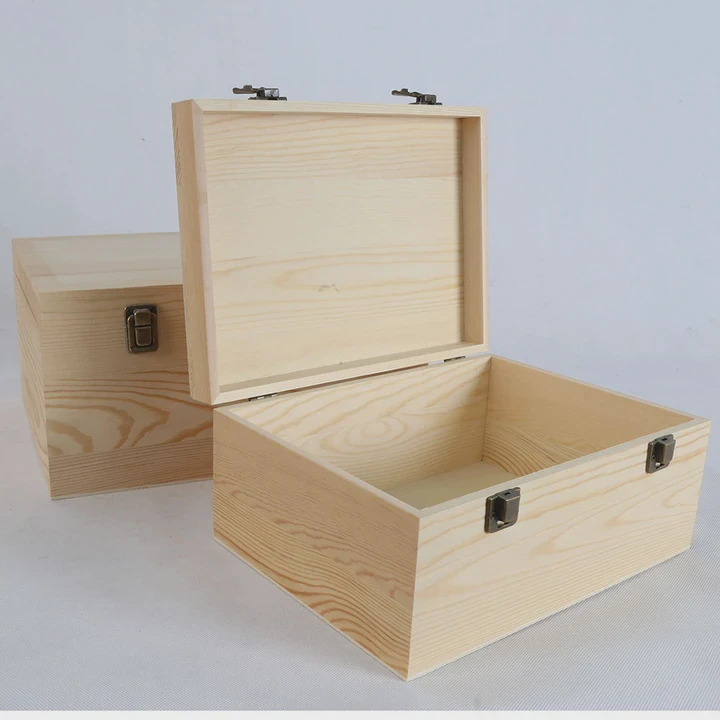
Export-ready crates are widely available, but the term “export-ready” should not be treated as one universal specification.
Different shipments have different requirements.
The correct crate depends on what is being shipped, where it is going, which materials are used, and how the shipment will be handled.
Confirm Destination Requirements Early
The destination country should be shared with the manufacturer during the quotation stage.
This gives the supplier time to review material and packaging requirements.
International rules can apply differently to solid wood packaging, processed wood products, pallets, crates, and other packaging materials.
For this reason, buyers should confirm current requirements with the relevant shipping partners and destination authorities when necessary.
I would avoid waiting until the crates are finished.
If the selected material does not meet the required conditions, replacing or modifying hundreds of completed crates can be expensive.
Ask About Treatment and Documentation
Some export shipments using solid wood packaging may require specific treatment, marking, or documentation.
The exact requirement depends on the shipment and destination.
Buyers should ask the manufacturer what it can provide and then verify whether those documents or marks meet the actual destination requirements.
The purchase specification should clearly state any required treatment.
This prevents the purchasing team from assuming it is included when the supplier has quoted an untreated product.
Protect Against Moisture
International sea transportation can expose products to changing temperature and humidity.
The crate itself is only part of the protection system.
Depending on the product, buyers may consider moisture barriers, protective films, desiccants, sealed bags, corrosion protection, or other internal packaging methods.
Sensitive machinery and metal components may need more protection than simple durable goods.
The supplier should know what product is being packed instead of treating every export crate the same way.
Design for Handling
Export shipments can pass through several warehouses, ports, terminals, trucks, and handling operations before reaching the customer.
The crate should therefore be designed around real handling conditions.
Forklift access should be clear when forklifts will be used. Lifting points should be considered for very heavy crates. The base should support the load properly.
Labels and shipping marks should also remain visible.
If crates will be stacked, the supplier needs to know this before designing the structure. A crate designed only to carry its own product may not safely support another loaded crate above it.
Review Export Packing Before Shipment
Before a large shipment leaves the factory, buyers can inspect both the crate and the packing process.
The inspection can check dimensions, materials, fasteners, internal supports, product fixing, moisture protection, labels, and external condition.
Photos can also be recorded for reference.
For repeat shipments, an approved packing method can become part of the standard operating procedure.
This makes future orders easier to manage.
Export-ready shipping crates are therefore available from manufacturers, but buyers should define what “export-ready” means for their specific shipment. A strong crate, correct materials, proper internal protection, suitable handling features, and confirmed destination requirements should work together as one packaging system.
Conclusion
Businesses can buy shipping crates from manufacturers, industrial packaging companies, wholesalers, and export suppliers. For industrial or bulk orders, buyers should focus on load requirements, materials, structure, internal protection, quality control, and destination rules. Good shipping crates should protect products through the complete transportation process.
- Pre Where Can I Buy Wooden Boxes?
- Next: Sorry!

